
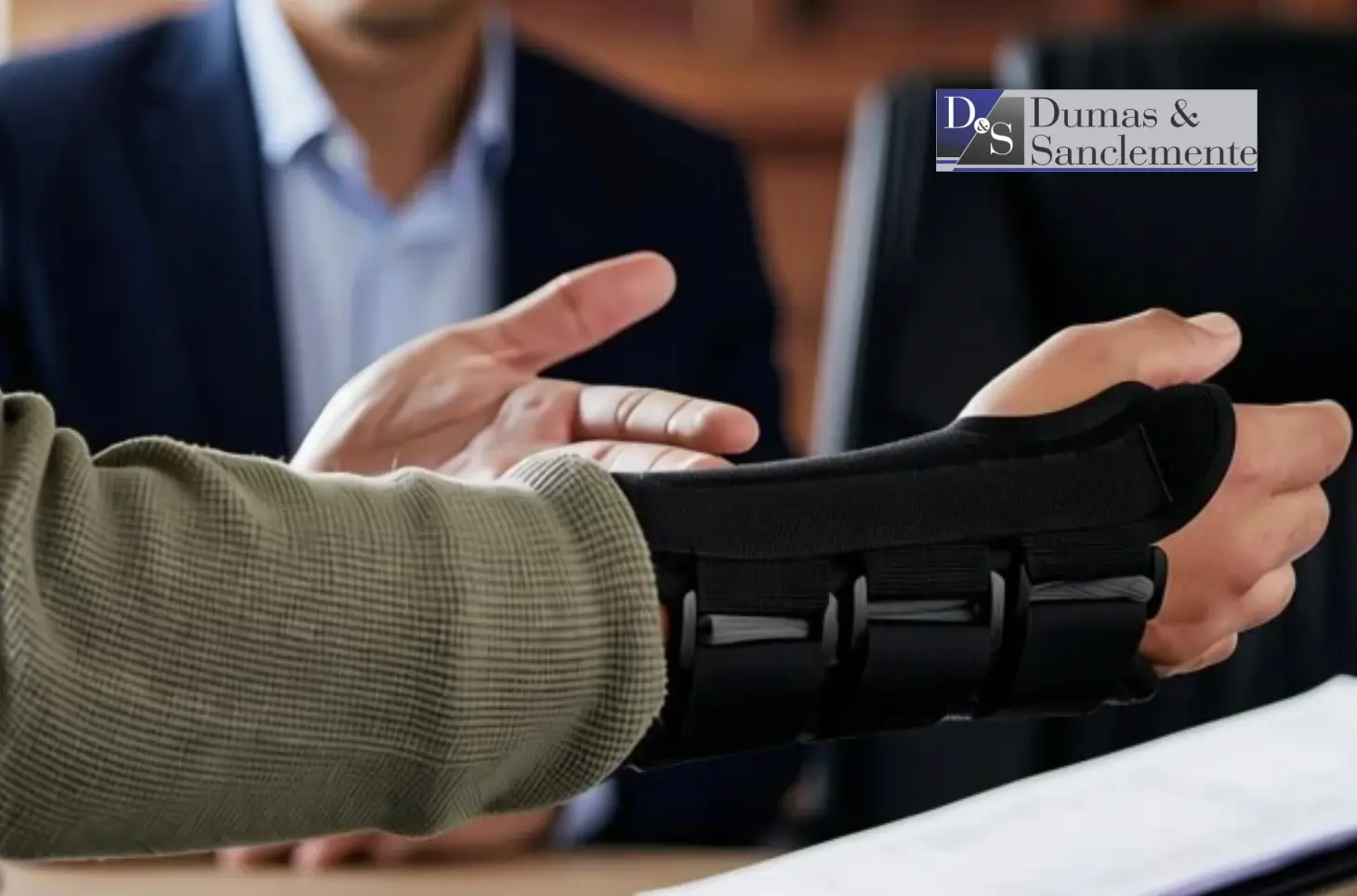
After being injured in a car accident in Fort Lauderdale, you file an insurance claim, but the insurance company disputes the extent of your injuries and offers far less compensation than you believe you need to cover your losses.
You decide to search online for a personal injury attorney. Dozens of law firms appear in your search results, each advertising its experience, services, and commitment to injured clients. With so many options, how do you know which attorney is right for you?
Knowing how to find a good personal injury lawyer involves more than comparing advertisements or choosing the first firm in your search results. You need an attorney who understands your type of case, communicates clearly, explains the costs of representation, and is prepared to pursue your claim through litigation when necessary.
The right personal injury lawyer should have relevant experience, a record you can independently verify, and a communication style that makes you comfortable asking questions.
We speak English, español, and français. At Dumas & Sanclemente Law, PLLC, clients have direct access to attorneys backed by 20 years of combined experience, including experience working on the defense side of personal injury claims. Our committed team’s guiding principle is simple: Seeking justice for the injured.
At a Glance
- Choosing a personal injury lawyer: Look for relevant case experience, clear communication, and an attorney who is prepared to take your case to court if necessary.
- Verifying qualifications: The Florida Bar’s online directory allows you to check an attorney’s license status, disciplinary history, and professional credentials.
- Understanding attorney fees: Most personal injury lawyers work on a contingency fee basis, meaning their fees depend on recovering compensation. Court costs and other expenses are addressed separately.
- Asking the right questions: Before hiring an attorney, find out who will handle your case, how often you will receive updates, and what challenges your claim may present.
- Choosing local representation: A Fort Lauderdale personal injury attorney familiar with Florida personal injury law and Broward County court procedures can help you understand the legal process.
What Should You Look for in a Personal Injury Lawyer?
Not every personal injury attorney has the same background or approach to representing clients. The attorney you choose should have experience relevant to your claim and be able to explain how that experience informs their work.
Experience handling cases similar to yours
Personal injury law covers many different accidents and injuries, including car crashes, truck collisions, slip-and-fall accidents, and incidents involving unsafe property conditions. For example, a truck accident may involve federal safety regulations, commercial insurance policies, and multiple potentially liable parties. A slip-and-fall case may depend on evidence of a hazardous condition and whether the property owner had actual or constructive knowledge of it.
Ask prospective attorneys about the types of cases they handle and their experience investigating circumstances similar to yours. An attorney familiar with your type of injury claim should be able to explain the evidence needed to establish liability, the potential challenges, and how Florida law may affect your options.
Experience dealing with insurance companies
Insurance companies investigate claims to determine liability, evaluate damages, and decide whether to offer a settlement. Their assessment may differ substantially from yours, particularly when injuries require ongoing treatment or affect your ability to work.
A personal injury lawyer should understand how insurers evaluate medical records, question the necessity of treatment, dispute lost wages, and assess future medical expenses. Experience representing insurance companies can provide additional insight into how claims are evaluated and defended. When interviewing attorneys, ask about their experience negotiating with insurers and responding to disputed liability or damages.
Willingness to prepare a case for trial
Although many personal injury claims settle without a trial, some disputes cannot be resolved through negotiations. An attorney should be prepared to explain what happens if an insurance company disputes responsibility or refuses to offer an acceptable settlement.
Litigation may involve obtaining police reports, collecting medical records, interviewing witnesses, taking depositions, and consulting expert witnesses. Depending on the circumstances, a case may require testimony from medical professionals or accident reconstruction specialists.
Ask whether the attorney handles litigation and trials or refers those matters to another law firm. The answer can help you determine who would represent you if settlement negotiations fail.
How Can You Verify a Florida Personal Injury Attorney’s Credentials?
A professional website and favorable advertisements are not substitutes for verifying an attorney’s qualifications. Before hiring a personal injury attorney, take time to review information available through independent sources.
Check Florida Bar membership and disciplinary history
The Florida Bar’s Find a Lawyer directory allows you to search for attorneys by name and review their membership information. An attorney’s profile can provide information about their eligibility to practice law in Florida, admission date, and public disciplinary history.
The Florida Bar publishes public disciplinary records from the preceding 10 years through its online directory. Additional information about older disciplinary actions can be requested from the Bar.
Checking these records helps you verify that the attorney is authorized to practice and identify professional disciplinary matters that may warrant further questions.
Review the attorney’s professional background and recognition
An attorney’s professional biography can provide information about their legal education, career history, and experience handling personal injury claims. Review their background to determine how their work relates to the type of accident or injury involved in your case.
Professional recognition may provide additional information about an attorney’s involvement in the legal profession. When reviewing awards or memberships, consider the organization granting the recognition and the criteria used to select recipients.
These details can help you evaluate an attorney’s qualifications alongside their Florida Bar standing, relevant experience, and professional reputation.
Consider client feedback and professional reputation
Online reviews may provide insight into how a law firm communicates with clients, responds to questions, and manages expectations. Look for recurring observations rather than relying on one positive or negative review. Pay particular attention to comments about accessibility, responsiveness, and whether clients understood what was happening with their cases.
Peer reviews and professional references may provide additional context, but they should not replace your own evaluation.
Past settlements and verdicts can also help you understand an attorney’s experience. However, the circumstances of each personal injury case differ, and past case outcomes cannot predict the compensation that may be available in your claim.
What Questions Should You Ask a Personal Injury Lawyer?
A free consultation gives you an opportunity to explain what happened, learn about the attorney’s services, and decide whether the firm is a suitable choice.
Consider speaking with more than one personal injury attorney before making your decision. Knowing the right questions to ask a personal injury lawyer can help you compare their experience, communication style, approach to your case, and fee arrangements.
During your consultation, ask questions that help you evaluate the attorney’s qualifications and approach to your case:
- Have you handled cases similar to mine? Ask about the attorney’s experience with your type of accident, injuries, and disputed legal issues.
- Who will personally handle my case? Determine whether you will work directly with the attorney you meet or primarily communicate with other members of the legal team.
- How often will I receive updates? Ask about the firm’s communication style, preferred methods of contact, and expected response times.
- What challenges do you see in my claim? A thoughtful attorney should be willing to discuss potential difficulties rather than promise a particular settlement.
- What are your attorney fees and case expenses? Request an explanation of the fee percentage, court costs, and other charges before signing an agreement.
- Will you take my case to court if necessary? Find out whether the attorney handles trials and what circumstances might lead to litigation.
Pay attention to how the attorney responds. Do they explain unfamiliar legal terms? Do they listen to your concerns? Are they willing to acknowledge what cannot yet be determined? The initial conversation can provide valuable insight into the attorney-client relationship you can expect.
What should you bring to the consultation?
You don’t need to have every document before contacting a personal injury attorney. However, available information can help the lawyer make an initial assessment. Useful materials include accident photographs, police reports, insurance correspondence, medical records, treatment bills, and documentation of lost wages.
If you’ve received a settlement offer or a request for a recorded statement, bring that information as well. An attorney can explain what additional evidence may be needed and whether steps should be taken promptly to preserve it.
How Much Does a Personal Injury Lawyer Cost in Florida?
Concerns about legal fees can prevent injury victims from seeking legal representation. Understanding personal injury lawyer fees, including how contingency fees and case expenses work, can help you compare firms and avoid unexpected costs.
How do contingency fees work?
Most personal injury attorneys in Florida work on a contingency fee basis, meaning their attorney fees depend on recovering compensation for their clients. Rather than paying attorney fees upfront, you agree to pay your lawyer a percentage of the money recovered through a settlement or court award.
If your case does not produce a monetary recovery, you do not owe a contingency attorney fee. However, you may still be responsible for court costs and other case expenses, depending on your fee agreement.
Florida’s rules governing attorney fees establish standards for contingency fee agreements in personal injury cases. The percentage an attorney may charge depends on several factors, including whether a lawsuit has been filed and how the case proceeds. You can discuss and negotiate the proposed fee before signing an agreement.
Before signing a written contingency fee agreement, ask the attorney to explain the percentage you would pay, when that percentage could change, and how court costs and other expenses would affect the amount you may be eligible to receive.
What court costs and other expenses might you pay?
Attorney fees and case expenses are separate charges. Depending on the claim, expenses may include filing fees, obtaining police reports and medical records, deposition transcripts, expert witnesses, and other litigation costs.
For example, a personal injury case requiring accident reconstruction testimony may involve greater expenses than a claim resolved before litigation.
Ask whether the law firm advances these costs, whether they are deducted from a settlement or judgment, and whether you could be responsible for expenses if there is no recovery.
Also ask whether expenses are deducted before or after calculating the attorney’s percentage. That distinction can affect the amount you receive.
Medical bills, insurance reimbursement claims, or other liens may further reduce the amount you receive from a settlement or judgment. Ask your attorney about these potential obligations, which are separate from attorney fees and case expenses.
What rights do Florida clients have before signing an agreement?
Florida requires written contingency fee agreements that explain how fees and expenses will be calculated. The Florida Bar’s Statement of Client’s Rights also explains important protections, including the right to discuss and negotiate the proposed fee.
For covered contingency agreements, clients have three business days after signing to cancel by written notice without owing attorney fees for work performed during that period. They may still be responsible for actual costs advanced on their behalf.
Read the entire agreement and ask questions about any terms you don’t understand before accepting representation.
What Warning Signs Should You Watch for When Choosing an Injury Attorney?
Choosing an attorney involves more than confirming credentials and comparing fees. Certain behaviors during the hiring process may suggest that you should continue your search.
Be cautious if a lawyer:
- Promises a specific settlement or verdict. Compensation depends on the evidence, applicable law, insurance coverage, and other circumstances that may not be known during an initial consultation.
- Avoids explaining legal fees. You should seek clear answers about contingency fees, expenses, and potential financial obligations.
- Pressures you to sign immediately. You should have an opportunity to review the representation agreement and ask questions.
- Cannot explain who will handle your claim. Knowing your primary attorney and point of contact is important for communication.
- Dismisses your questions or concerns. You should feel comfortable discussing your injuries, financial worries, and expectations.
Be equally cautious about choosing an attorney based solely on advertising claims or a large past settlement. An individual case must be evaluated on its own facts. A productive attorney-client relationship begins with realistic expectations and clear communication.
Why Should You Consider a Fort Lauderdale Personal Injury Attorney?
A personal injury lawyer familiar with Florida law and the Fort Lauderdale area may offer practical advantages when investigating an accident and preparing a claim.
Personal injury lawsuits arising in Broward County may proceed in the Seventeenth Judicial Circuit or another court with appropriate jurisdiction, depending on the case. Familiarity with local court procedures, filing requirements, and litigation practices can help an attorney manage the process.
However, proximity alone does not establish an attorney’s qualifications. Relevant experience, communication, and preparedness remain more meaningful selection criteria.
Knowledge of Florida personal injury laws
Florida law can affect both the value of a claim and the time available to pursue it. Under Florida Statutes § 768.81, the state’s modified comparative negligence rule can reduce compensation based on a claimant’s percentage of fault. In negligence actions subject to the rule, someone found more than 50% responsible for their own harm cannot recover damages. Medical negligence claims are excepted from that particular restriction.
Under Florida Statutes § 95.11, many negligence claims arising on or after March 24, 2023, are subject to a two-year deadline to file a lawsuit. Claims arising before that date may be subject to a different limitations period, and exceptions may apply.
Accessibility throughout your case
An attorney’s office location can be convenient, particularly when you need to attend meetings or provide documentation. However, accessibility involves more than distance.
Ask whether the firm offers telephone or virtual consultations, how you can reach your attorney, and who will respond when questions arise. A Fort Lauderdale personal injury attorney who communicates consistently and keeps you informed can make the legal process easier to follow, especially while you are receiving medical treatment.
Frequently Asked Questions
How many personal injury lawyers should I consult before choosing one?
Speaking with two or three attorneys can help you compare experience, communication, and fee arrangements. There is no required number. The goal is to find an attorney whose qualifications and approach fit your personal injury needs.
Does a personal injury lawyer need trial experience?
Trial experience can be valuable because some claims require litigation when settlement negotiations fail. Ask whether the attorney has handled trials involving similar claims and who would represent you in court if your case proceeds that far.
Can I change personal injury lawyers after signing an agreement?
Yes. Clients can discharge their attorneys, although changing representation may create financial obligations under the fee agreement and applicable law. The former attorney may have a claim for fees or costs in certain circumstances. Review your agreement and discuss the implications before making a change.
Should I accept an insurance settlement before consulting an attorney?
You may want legal advice before accepting a settlement, particularly if you are still receiving treatment or do not know the extent of your injuries. Signing a release may prevent you from seeking additional compensation for the covered claim, even if further medical expenses arise.
How soon after an accident should I contact a personal injury attorney?
Contacting an attorney promptly can help preserve evidence, identify applicable deadlines, and address communications with insurance companies. Waiting may make it harder to collect surveillance footage, locate witnesses, or document accident conditions.
Find an Attorney Who Listens to Your Concerns and Explains Your Options
English • Español • Français
When you’re recovering from an injury, you have enough to deal with without wondering whether you’ve chosen the right lawyer. You need straightforward answers about your rights, the challenges your claim may present, and what to expect if you decide to move forward.
At Dumas & Sanclemente Law, PLLC, Fort Lauderdale personal injury attorneys Axel J. Dumas and Jonathan Sanclemente bring 20 years of combined experience to representing injured clients. Axel previously represented insurance companies in personal injury matters, giving him insight into how insurers evaluate and defend claims. Jonathan has focused his career on representing injured individuals, and he has litigated hundreds of cases before co-founding the firm.
Together, their backgrounds inform how they evaluate claims, anticipate disputes, and prepare cases for litigation when necessary. When you contact our firm, you speak directly with an attorney about your circumstances from the start, and your case is supported by a team of legal professionals throughout the claim. We emphasize personal attention, honest communication, and helping you make informed decisions about your case.
If you were injured in Fort Lauderdale or the surrounding area, call (561) 698-1716 or complete our online contact form to schedule your free consultation with an attorney. To help you discuss your concerns in the language you’re most comfortable with, we speak English, Español, and Français.
Dumas & Sanclemente Law, PLLC — Seeking justice for the injured.
Copyright © 2026 Dumas & Sanclemente Law, PLLC. All rights reserved.
The information in this blog post (“post”) is provided for general informational purposes only and may not reflect the current law in your jurisdiction. No information in this post should be construed as legal advice from the individual author or the law firm, nor is it intended to be a substitute for legal counsel on any subject matter. No reader of this post should act or refrain from acting based on any information included in or accessible through this post without seeking the appropriate legal or other professional advice on the particular facts and circumstances at issue from a lawyer licensed in the recipient’s state, country, or other appropriate licensing jurisdiction.
Dumas & Sanclemente Law, PLLC
1500 W Cypress Creek Rd, Suite 301
Fort Lauderdale, FL 33309
(561) 698-1716
(844) 400-2667
https://www.dsinjury.com/